
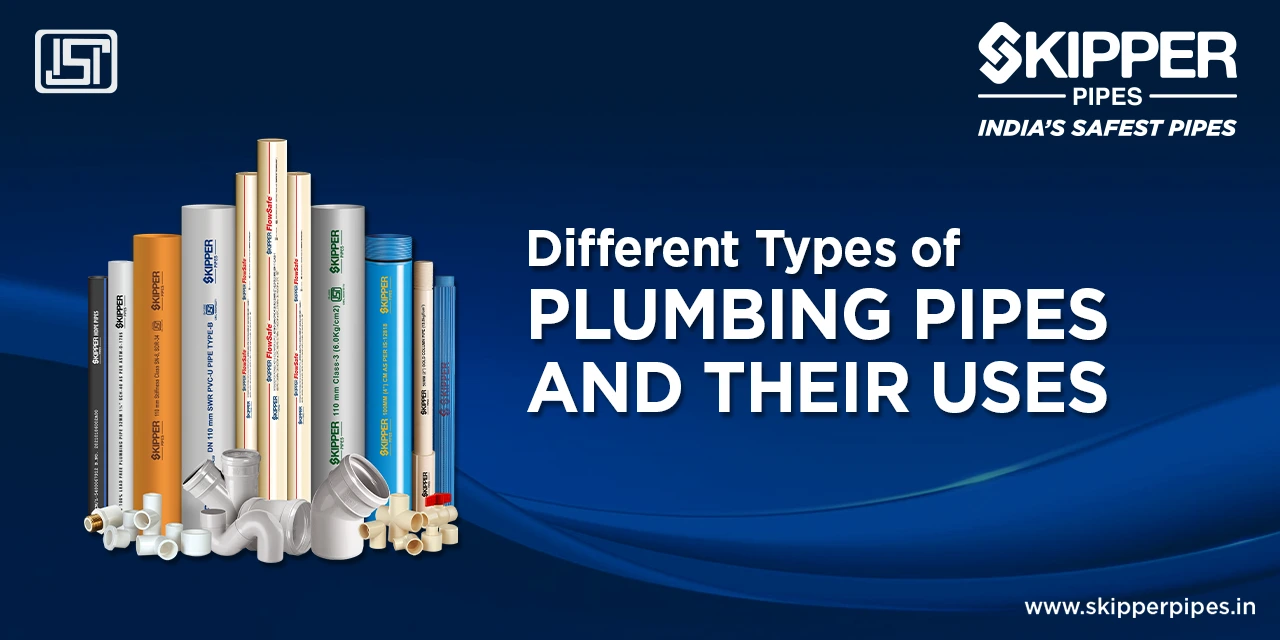
Different Types of Plumbing Pipes and Their Uses
The materials of the plumbing pipes installed determine the lifespan and effectiveness of a plumbing system. Choosing the correct pipes is the primary shield against rust, leaks, and plumbing problems in general. Various pipe types are employed for plumbing in contemporary structures. Each material is only appropriate for specific uses such as water supply, drainage, or heating systems. Familiarizing oneself with various types of plumbing pipes and their respective applications will help a homeowner, builder, or contractor in selecting suitable items for their projects. Here are the major categories of plumbing pipes. Besides, you will see how different plumbing pipes work in both residential and commercial environments.
How Many Types of Plumbing Pipes Are There?
There are several types of plumbing pipes used in building construction, and each pipe serves a unique purpose depending on the plumbing requirement. Pipes used in plumbing systems must be durable, corrosion-resistant, and capable of handling pressure and temperature changes.
Some of the most commonly used types of plumbing pipes include:
- PVC Pipes
- CPVC Pipes
- PEX Pipes
- Copper Pipes
- Galvanized Steel Pipes
Each of these pipes has specific advantages and is used for different plumbing applications.
PVC Pipes (Polyvinyl Chloride)
PVC pipes are among the most popular types of pipes for water supply and drainage systems, especially in residential plumbing. Thanks to their excellent qualities of being lightweight, long-lasting, and noncorrosive, these pipes are perfect for conveying wastewater.
PVC pipes are primarily employed in drainage, waste disposal, and venting systems. Irrigation, as well as underground plumbing lines, is another common application of these pipes. But one of the greatest features of PVC pipes are their low cost and the fact that they can be easily installed. In contrast, the use of PVC pipes for hot water is discouraged since heat will cause the material to weaken.
CPVC Pipes (Chlorinated Polyvinyl Chloride)
CPVC pipes are considered to be a more advanced version of PVC pipes, and they are quite often the choice of plumbing systems in modern buildings. These pipes can carry both hot and cold water, and hence, they can be used in the plumbing networks of homes successfully. CPVC pipes are considered to be among the best types of plumbing pipes for building construction, mainly for residential and commercial projects.
These pipes are highly resistant to corrosion, very high temperatures, and chemical damage. Due to their high strength and durability, CPVC pipes are often the best choice not only for water supply systems in homes but also for industrial water pipelines and high-pressure plumbing installations. Besides, the interior of these pipes is very smooth, which ensures consistent water flow and the absence of any buildup or scaling.
PEX Pipes (Cross-Linked Polyethylene)
PEX pipes are flexible plastic piping that has rapidly grown in the plumbing world. Thanks to their flexibility, they can be easily installed by plumbers even in small, challenging spaces or complex designs without the need to use too many fittings. PEX pipes are typically installed as indoor water supply lines, radiant floor heating systems, and home plumbing networks. Since they can be bent around corners, they help minimize the number of joints in a plumbing system. Thanks to this flexibility, the risk of leaks is also minimized. Also, PEX pipes are not only a good option in terms of durability but also resistant to scale and chlorine.
Copper Pipes
Copper pipes have been a staple in plumbing systems for several decades because of their strength and reliability. In fact, these pipes are mainly used in water supply lines and are known for lasting a very long time. The fact that copper pipes can tolerate very high temperatures while being quite resistant to bacterial growth is another reason why they are considered a safe option in drinking water systems. Besides that, they are tough enough to withstand high water pressure. However, copper pipes have certain downsides; they cost more than plastic pipes, and installing them might require the help of an expert. That is why they are mainly associated with luxury plumbing installations or specialized water supply systems.
Galvanized Steel Pipes
Galvanized steel pipes consisted of layering the steel pipe with a thin coat of zinc for long-lasting protection against rusting. Steel pipes covered with a zinc layer were known as galvanized pipes, and those pipes were typically used in the plumbing systems of older houses. Galvanized pipes were once quite common in local water supply plumbing lines of houses, as well as in industrial plumbing systems. The pipes are very durable and resistant to external damage. Eventually, galvanized pipes will be corroded inside, even though they are strong, which will decrease the water flow and could also contaminate the water. This is the main reason why nowadays we hardly find galvanized pipes, but rather the new and better materials, such as CPVC and PEX, are widely used in plumbing systems.
Which Type of Pipe Is Used in Water Supply Lines?
Most modern plumbing systems these days depend on CPVC, PEX, or copper pipes for water supply lines. Among these, materials are selected based on their capability to withstand pressure, resist corrosion, and preserve water quality. CPVC pipes have become a popular choice for residential plumbing, as they are capable of transporting both hot and cold water while providing great longevity. PEX pipes are generally chosen for installations that require pipe flexibility and minimal joints since they can easily be run through walls or floors. Despite their relatively higher prices, copper pipes continue to be preferred for many plumbing systems because of their durability and ability to handle high temperatures.
Types of Pipes Used in Building Construction
In modern infrastructure, selecting the right types of plumbing pipes used in building construction is crucial for ensuring efficient plumbing systems. Builders and engineers consider several factors when choosing pipes, including durability, temperature resistance, installation cost, and water pressure handling.
Common pipes used in construction include:
- PVC pipes for drainage and waste systems
- CPVC pipes for hot and cold water supply
- PEX pipes for flexible plumbing installations
- Copper pipes for long-term water supply systems
Each pipe plays a specific role in maintaining an efficient and reliable plumbing network.
What Are the Different Types of Plumbing Fittings?
Besides pipes, a plumbing system also needs fittings to connect the pipes and control the water flow in different ways. These fittings allow different functions to be done, like changing the direction of a pipe, making a branch connection, or joining together the pipe sections.
Some common types of plumbing pipes and fittings include:
- Elbows
- Tees
- Couplings
- Reducers
- Valves
These components are critical elements in the construction of a plumbing system. If you desire to explore them thoroughly, consider reading our guide on PVC connectors and fittings, where we explain the uses, types, and installation process.
Conclusion
Knowing the different types of plumbing pipes is one of the best ways of ensuring that the plumbing systems are not only durable and efficient but also safe. For example, from PVC pipes that are usually installed in drainage systems to CPVC pipes, which are normally used in water supply lines, each type of pipe has its own distinct function. Choosing the right types of pipes used in plumbing is a great way to enhance the efficiency and longevity of the plumbing network inside any building. Whether it is a residential home or a commercial project, dependability in the water distribution system can be highly associated with the use of high-quality pipes and fittings.
Leave a comment