PVC vs CPVC vs UPVC Pipes: Full Form, Differences, Cost & Which One to Choose

Where Innovation Meets Scale

ISO-certified plants powering India’s safest piping solutions.

Skipper Pipes

Manufacturing Units

Skipper Pipes operates 2 state-of-the-art manufacturing units strategically located with a combined installed capacity of 80,000+ MT per annum. This nationwide footprint ensures faster lead times, optimized logistics, and consistent product availability for projects of every size.
PVC vs CPVC vs UPVC Pipes: Full Form, Differences, Cost & Which One to Choose
Uluberia, West BengalPipes & Fittings
PVC vs CPVC vs UPVC Pipes: Full Form, Differences, Cost & Which One to Choose
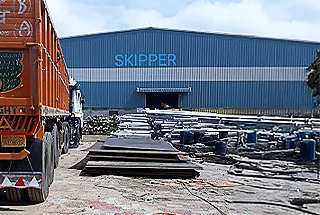
Guwahati, AssamPipes & Fittings

Manufacturing

Technology & Machinery

PVC vs CPVC vs UPVC Pipes: Full Form, Differences, Cost & Which One to Choose

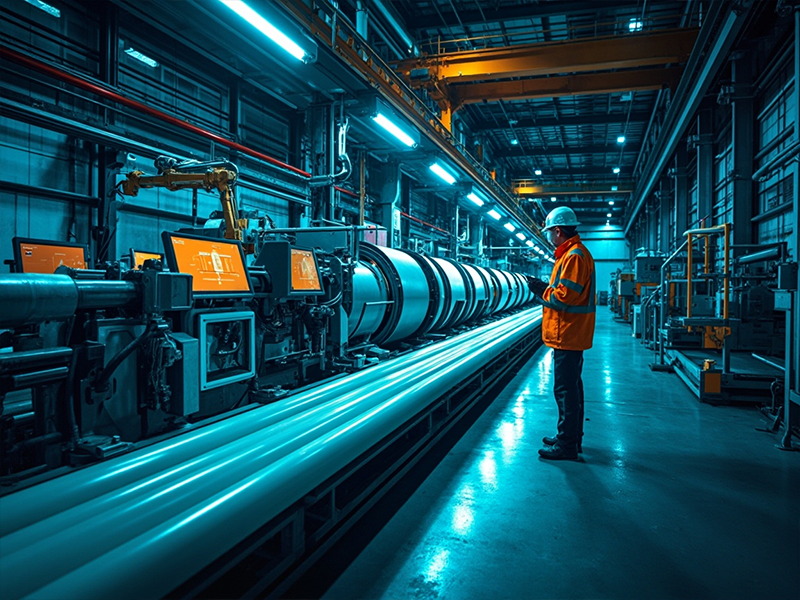
Our facilities house advanced, fully-automated extrusion and injection-moulding lines sourced from OEMs.

Key highlights:
  • High-speed twin-screw extruders for UPVC, CPVC, HDPE ranges
  • In-line belling & threading stations for precision jointing
  • IoT-enabled SPC (Statistical Process Control) to monitor dimensions and wall thickness in real time
  • Robotic material handling that minimizes human error and increases throughput
  • Automated mixing & dosing systems ensuring consistent lead-free formulations

Manufacturing

Quality Control

Quality is embedded at every stage, from raw-material inspection to final dispatch.

PVC vs CPVC vs UPVC Pipes: Full Form, Differences, Cost & Which One to Choose

Raw-Material Testing

Melt-flow index, density, and lead-free verification

PVC vs CPVC vs UPVC Pipes: Full Form, Differences, Cost & Which One to Choose

In-Process Checks

Diameter, impact strength, pressure testing

PVC vs CPVC vs UPVC Pipes: Full Form, Differences, Cost & Which One to Choose

Lab Certifications

Hydrostatic pressure, tensile, and UV aging

PVC vs CPVC vs UPVC Pipes: Full Form, Differences, Cost & Which One to Choose

Accreditations

ISO 9001, ISO 14001

Manufacturing

Sustainability Practices

Skipper’s commitment to the planet is reflected in every facility:
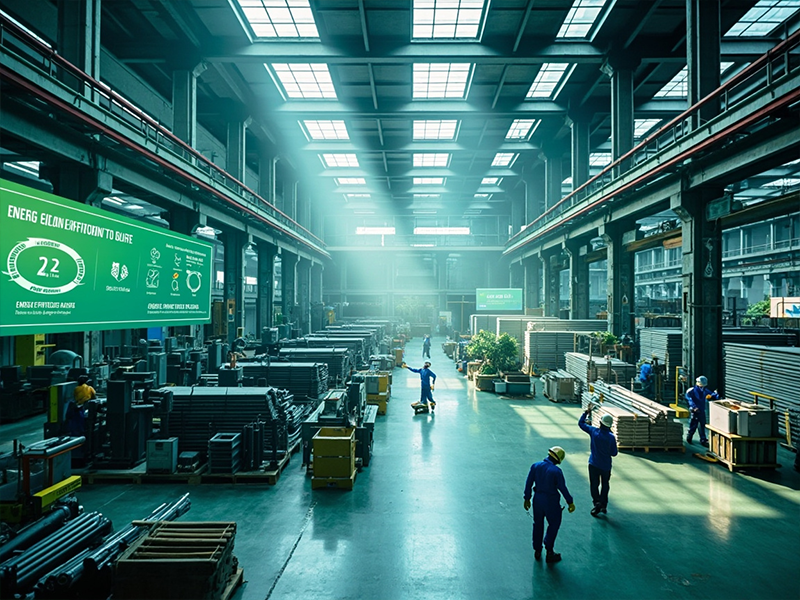
  • Energy Optimisation: Variable-frequency drives and solar power deliver energy savings.
  • Zero-Waste Policy: Regrinding and re-processing of in-house scrap.
  • Water Stewardship: Closed-loop cooling systems reduce water consumption. 
  • Responsible Packaging: Recyclable, lead-free material for cartons and pallets.
  • Community Engagement: Local employment drives and skill-up programmes under Skipper CSR.
PVC vs CPVC vs UPVC Pipes: Full Form, Differences, Cost & Which One to Choose

Discover how Skipper Pipes contributes to building tomorrow.

Explore CSR Initiatives